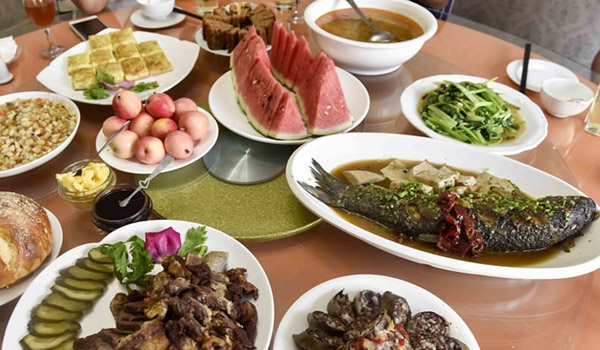
Chinese Cuisine
Introduction
Chinese cuisine is one of the world's most diverse and renowned culinary traditions, known for its rich flavors, varied textures, and intricate cooking techniques. With a history spanning thousands of years, Chinese cuisine has evolved alongside the country's cultural and historical developments. From humble street food to elaborate banquet dishes, Chinese cuisine offers a wide array of tastes and experiences.
Regional Diversity
Chinese cuisine is often categorized into eight regional styles, namely Shandong Cuisine, Sichuan Cuisine, Guangdong Cuisine (or Cantonese Cuisine), Jiangsu Cuisine, Zhejiang Cuisine, Fujian Cuisine, Hunan Cuisine and Huizhou Cuisine, each with its own unique flavors and ingredients. The most recognized regional cuisines include:
-
Guangdong Cuisine: Also known as Cantonese cuisine, Guangdong cuisine is known for its subtle flavors and emphasis on fresh ingredients, often featuring stir-fried dishes, dim sum, and seafood. It is one of the most popular styles of Chinese cuisine globally.
-
Sichuan Cuisine: Famous for its bold and spicy flavors, Sichuan cuisine is characterized by the use of chili peppers, Sichuan peppercorns, garlic, and ginger. Dishes like Kung Pao Chicken and Mapo Tofu are popular examples.
-
Shandong Cuisine: Known for its use of seafood and grains, Shandong cuisine emphasizes crisp textures and savory flavors. It often includes braising and roasting techniques.
-
Jiangsu Cuisine: Originating from the lower reaches of the Huai and Yangtze Rivers, Jiangsu cuisine is known for its meticulous preparation and use of fresh ingredients, often resulting in mildly sweet and savory dishes.
These regional cuisines reflect the geographical and cultural diversity of China, with each area boasting its own culinary specialties and traditional cooking methods.
Ingredients and Techniques
Chinese cooking employs a variety of ingredients and techniques, resulting in a wide array of textures and flavors. Common ingredients include rice, noodles, vegetables, seafood, pork, chicken, and tofu. Spices and seasonings such as soy sauce, ginger, garlic, and five-spice powder are frequently used to enhance the flavor of dishes.
Popular cooking techniques include stir-frying, steaming, braising, deep-frying, and roasting. These methods allow for the preservation of the natural flavors and nutritional value of the ingredients, while also providing a range of textures.
Cultural Significance
Food holds a central place in Chinese culture and is often seen as a symbol of harmony and prosperity. Meals are traditionally shared among family and friends, emphasizing the importance of community and togetherness. Festivals such as the Chinese New Year involve elaborate feasts featuring symbolic dishes that convey good fortune and happiness.
The philosophy of balance is also integral to Chinese cuisine, with an emphasis on the harmony of flavors, colors, and textures. This is evident in the concept of yin and yang, which seeks to achieve balance through the use of contrasting ingredients and cooking methods.
Global Influence
Chinese cuisine has had a significant impact on global dining, with Chinese restaurants found in virtually every corner of the world. As Chinese chefs and immigrants have settled abroad, they have adapted traditional dishes to suit local tastes, resulting in a fusion of flavors and culinary innovations.
Additionally, Chinese cuisine continues to gain recognition and appreciation for its depth and complexity, with chefs and food enthusiasts worldwide exploring its diverse offerings. Cooking shows, documentaries, and culinary expos have further contributed to the global interest in authentic Chinese flavors and cooking techniques.
Modern Trends
In recent years, there has been a growing interest in health-conscious and sustainable dining within Chinese cuisine. Chefs are increasingly focused on incorporating organic ingredients, reducing oil and salt content, and promoting plant-based alternatives. This reflects a broader trend towards healthy eating and environmental awareness in contemporary society.
The fusion of traditional Chinese dishes with modern culinary techniques and international flavors has also become more prevalent, resulting in innovative and exciting dining experiences that celebrate the rich heritage of Chinese cuisine while embracing global influences.
Chinese cuisine, with its profound history and cultural significance, continues to captivate and delight food enthusiasts around the world. Its ability to adapt and evolve while maintaining its core principles ensures its enduring popularity and influence in the global culinary landscape.








